English

Views: 0 Author: Site Editor Publish Time: 2026-11-13 Origin: Site


Amino acid balance is a fundamental consideration in modern animal feed formulation. While conventional feed ingredients such as corn and soybean meal provide protein and essential nutrients, their amino acid profiles do not always fully meet the nutritional requirements of poultry and livestock.
Methionine is particularly important in this context. As an essential sulfur-containing amino acid, it contributes to protein synthesis, tissue development, and several metabolic processes. In many conventional poultry diets, methionine is the first-limiting amino acid, making supplementation an important part of commercial feed formulation.
For feed manufacturers, premix producers, and animal nutrition businesses, understanding the role of DL-methionine helps support more precise nutritional planning and raw material procurement.
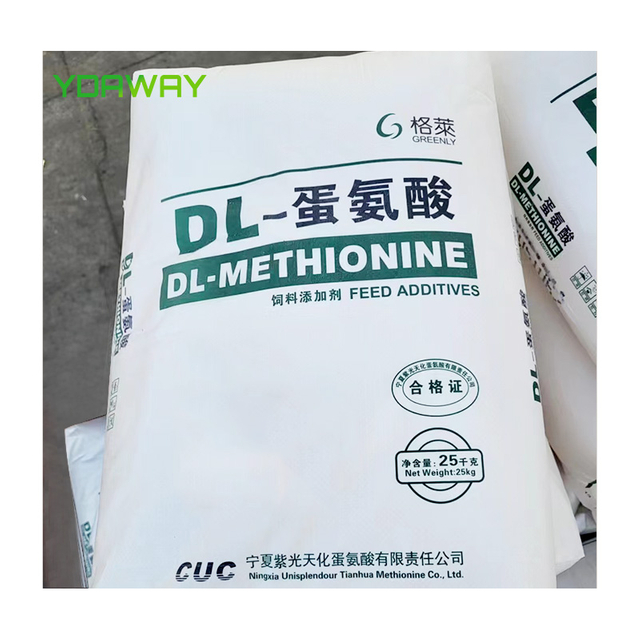
DL-Methionine is a feed-grade amino acid commonly used to supplement animal diets. It provides methionine, an essential amino acid that animals cannot synthesize in sufficient quantities to meet their nutritional needs.
Methionine has several important biological functions:
Protein synthesis: Supports the formation of body tissues, feathers, muscles, and other proteins.
Sulfur amino acid balance: Works alongside cysteine to meet total sulfur amino acid requirements.
Methyl group metabolism: Participates in metabolic pathways through its role in methyl-group donation.
Precursor functions: Contributes to the synthesis of other biologically important compounds, including cysteine.
In commercial feed production, DL-methionine is used to complement the amino acid profile of raw materials and help formulate diets according to the nutritional requirements of different animal species.
Poultry is one of the major application areas for feed-grade methionine. In conventional corn-soybean meal diets, methionine is frequently the first-limiting amino acid. Supplementation helps nutritionists balance dietary methionine and total sulfur amino acids.
In broiler production, methionine is involved in muscle protein synthesis, feather development, and normal metabolic functions. Appropriate supplementation can help improve the amino acid balance of diets and support growth performance and feed utilization.
For layer feed, methionine is also relevant to tissue maintenance, feather condition, and egg production requirements. Formulation should account for bird type, production stage, feed intake, and the contribution of other dietary ingredients.

Methionine is also included in swine diets to help meet essential amino acid requirements.
Although lysine is commonly the first-limiting amino acid in many cereal-soybean meal-based pig diets, methionine and cysteine remain important components of the overall amino acid profile.
Feed formulators should evaluate methionine in relation to cysteine, digestible amino acid supply, growth stage, and the composition of the basal diet. This is particularly relevant when using alternative protein ingredients or adjusting dietary crude protein levels.
Methionine is used in feed formulations for different animal species, subject to species-specific nutritional requirements and applicable feed regulations. Its inclusion should always be based on the intended animal category and a properly balanced formulation.
Crude protein content alone does not fully describe the nutritional value of a feed. Two diets with similar crude protein levels may have different amino acid profiles and digestibility.
Supplemental DL-methionine allows formulators to address specific amino acid gaps rather than relying exclusively on increasing total dietary protein.
Modern feed formulation increasingly considers digestible amino acid requirements. When methionine and other essential amino acids are properly balanced, nutritionists can formulate diets more precisely around animal requirements.
This approach may also create opportunities to reduce excess dietary protein, provided that all essential amino acid requirements and other nutritional constraints are adequately addressed.
Methionine should not be evaluated in isolation. Methionine and cysteine are generally considered together as total sulfur amino acids (TSAA) in poultry nutrition.
Because methionine can serve as a precursor for cysteine, the dietary contribution of both amino acids needs to be considered when establishing formulation targets.
The appropriate use of DL-methionine depends on more than the animal species.
Animal category and growth stage: Broilers, layers, piglets, growing pigs, and breeding animals have different nutritional requirements.
Basal feed composition: The methionine contribution from corn, soybean meal, and other protein ingredients should be included in formulation calculations.
Digestibility and availability: Total amino acid content and digestible amino acid supply are not interchangeable. Ingredient digestibility should be considered when balancing diets.
Processing and handling: Feed mixing, storage conditions, and manufacturing procedures should be managed to maintain consistent ingredient handling and finished-feed quality.
Formulation accuracy: Supplementation levels should be calculated by qualified nutritionists using reliable ingredient analyses and applicable nutritional standards. There is no single inclusion rate suitable for every feed formula.
For commercial feed manufacturers and bulk buyers, product evaluation should include several technical and supply-related factors.
Evaluation Item | What Buyers Should Check |
|---|---|
Product identity | Confirm DL-methionine and CAS No. 59-51-8 |
Assay | Verify the guaranteed methionine content against the agreed specification |
Appearance | Check the specified crystalline powder or flake form |
Moisture | Review the loss-on-drying or moisture limit |
Impurities | Check relevant limits for chloride, heavy metals, and arsenic |
Documentation | Request COA, SDS, product specification, and applicable compliance documents |
Packaging | Confirm bag size, palletization, and bulk packaging options |
Analytical methods are also important. ISO 17180:2013 specifies a method for determining free methionine, lysine, and threonine in commercial amino acid products and premixtures containing more than approximately 10% of the respective amino acid.
Buyers should confirm that the supplier's analytical method and reported results are suitable for the product specification and purchasing agreement.
A reliable supply of DL-methionine is important for maintaining production schedules and consistent feed formulations. When evaluating suppliers, procurement teams should look beyond the quoted unit price.
Consider the following points:
Specification consistency: Confirm that each shipment meets the agreed assay and quality requirements.
Batch documentation: Request a batch-specific Certificate of Analysis and relevant safety documentation.
Production and supply capacity: Evaluate whether the supplier can support recurring orders and planned purchasing volumes.
Packaging and logistics: Confirm standard packaging, container loading arrangements, and storage recommendations.
Communication and technical support: Ensure that product specifications, documentation, and order requirements can be clarified efficiently.
For importers, distributors, and feed manufacturers purchasing at scale, stable specifications and dependable delivery arrangements are important parts of long-term sourcing decisions.
DL-methionine supplements essential methionine in animal diets. It is widely used in poultry and swine feed formulations to help balance amino acid requirements.
Methionine is frequently the first-limiting amino acid in conventional poultry diets. It supports protein synthesis, feather development, and sulfur amino acid balance.
Methionine is one essential sulfur-containing amino acid. Total sulfur amino acids generally refer to the combined dietary contribution of methionine and cysteine.
Buyers should review product identity, assay, moisture, impurity limits, batch-specific COA, safety documentation, packaging, and supply reliability.
Yes. Feed-grade DL-methionine is widely used in commercial feed manufacturing. Buyers should confirm the product specification, packaging format, and supply arrangements before placing large-volume orders.
DL-Methionine is an important ingredient in modern animal nutrition, particularly for poultry and swine feed formulations. By helping balance essential amino acids and total sulfur amino acid requirements, it supports more precise nutritional planning.
For feed manufacturers, premix producers, and ingredient distributors, choosing a reliable feed-grade methionine source involves evaluating product specifications, analytical documentation, batch consistency, and long-term supply capacity.
Sunway supports B2B customers sourcing feed ingredients for commercial applications, with a focus on product quality, clear specifications, and dependable supply coordination. Contact our team to discuss your feed-grade DL-methionine requirements and procurement plans.